How Basement Waterproofing Helps Protect Stored Belongings
A basement often becomes the house’s unofficial archive. Holiday decorations, family photo albums, tax records, outgrown clothes, spare furniture, tools, paint, sports gear, and boxes no one has opened in years all tend to end up downstairs. That makes sense. Basements offer square footage that is out of the way and, in many homes, surprisingly convenient. The problem is that they are also the part of the house most vulnerable to water.
When people think about basement moisture, they usually picture dramatic flooding after a heavy storm. That certainly happens, but most damage to stored belongings comes from quieter, slower problems. A damp wall. Condensation on a cool concrete floor. Humid summer air settling into cardboard boxes. A small crack that leaks only during spring thaw. These issues may not grab attention right away, yet they can quietly ruin fabric, warp wood, rust metal, loosen glue, and feed mold.
Basement Waterproofing is not only about keeping the space dry enough to finish with flooring and drywall. It is also one of the most practical ways to protect the value, usefulness, and safety of the things people store there. A properly waterproofed basement changes the environment around your belongings. It reduces risk, stabilizes conditions, and gives storage a fighting chance against moisture, odors, and decay.
The real threat is often moisture, not standing water
A lot of homeowners underestimate how little water it takes to cause a serious storage problem. You do not need several inches of floodwater to destroy a box of records or a set of upholstered chairs. A basement can feel “mostly dry” and still be a bad place to store vulnerable items.
Concrete is porous. It can wick moisture from the surrounding soil even when there is no visible leak. Foundation walls can allow water vapor to migrate inward. If the basement air is humid, surfaces stay cool, and airflow is poor, condensation forms. Cardboard absorbs that moisture first. Then anything inside the box begins to take on the same dampness.
I have seen basements where the homeowner insisted there had never been a flood, and that was true. Yet the lower six inches of every carton were soft, musty, and discolored. Metal fasteners on stored furniture had begun to corrode. Leather goods smelled stale. Framed photographs developed ripples. The damage came not from one obvious event but from years of elevated moisture.
That distinction matters because it changes how people should think about protection. If you only prepare for catastrophic flooding, you miss the much more common conditions that gradually ruin stored belongings.
Why stored items fail in damp basements
Different materials react to moisture in different ways, and basements tend to hold a little bit of everything. Paper products are among the first to suffer. Documents curl, ink can blur, and boxes weaken until they collapse under their own weight. Books and photo albums absorb dampness, then mildew begins to grow between pages. Once that smell takes hold, recovery is difficult.
Wood furniture is also vulnerable. Solid wood can swell and contract with changing humidity. Veneers lift. Drawer bottoms sag. Particleboard is even less forgiving. It expands quickly when exposed to moisture and rarely returns to its original shape. Upholstered pieces trap moisture inside cushions and batting, creating a perfect environment for mold.
Clothing and textiles present another common problem. Seasonal coats, blankets, and baby clothes are often packed away for long periods. In a humid basement, those fabrics can develop musty odors that are hard to wash out. Natural fibers are especially https://johnnyewdc572.solsticebrief.com/posts/the-ultimate-guide-to-basement-waterproofing-for-homeowners prone to mold growth if moisture lingers.
Metal tools and equipment can rust from ambient humidity alone. Electronics are sensitive to both corrosion and condensation. Even plastic storage bins, often treated as a cure-all, do not fully protect their contents if moisture is sealed inside or if dampness accumulates around paper, fabric, or metal stored within them.
The point is simple: a basement does not need to look wet to damage what is stored there.
What Basement Waterproofing actually does for storage conditions
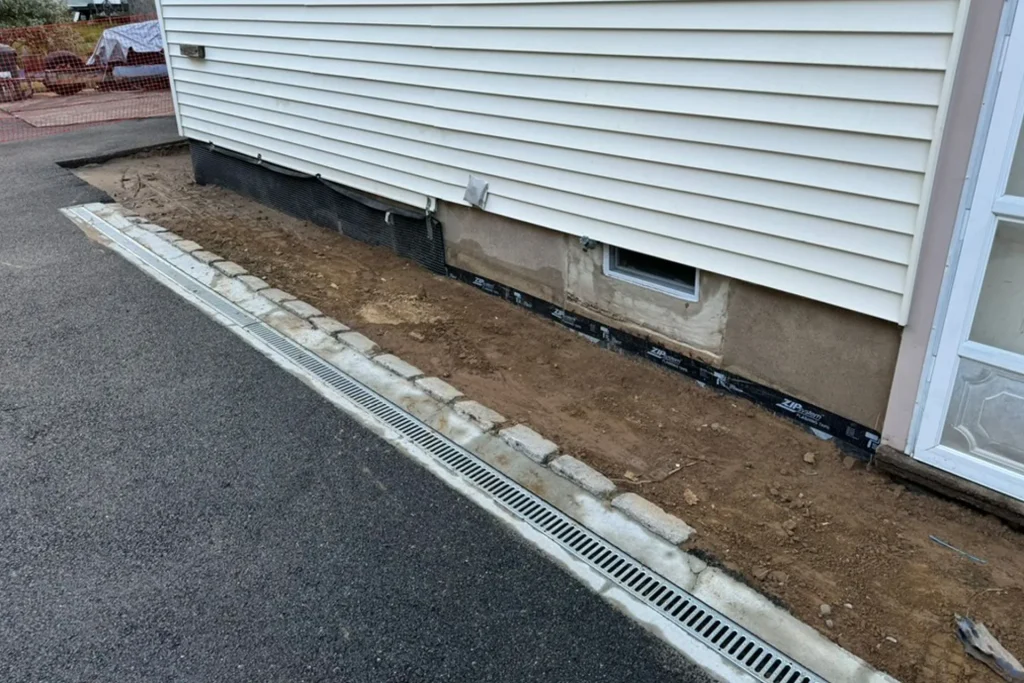
The phrase Basement Waterproofing gets used broadly, and that sometimes creates confusion. People imagine one product or one repair, when in reality it is a set of strategies designed to manage water before it reaches your belongings. Depending on the home, that may include exterior grading corrections, gutter and downspout improvements, crack repair, interior drainage systems, sump pumps, vapor barriers, dehumidification, or sealants as part of a larger moisture control plan.
For stored belongings, the benefit comes from how these measures work together. A good waterproofing system does three important things. It limits liquid water intrusion, reduces ambient dampness, and helps create a more stable environment over time. That stability is what stored items need.
A basement that stays dry through wet seasons is less likely to expose boxes, fabrics, or furniture to sudden spikes in moisture. A basement with controlled humidity is less likely to produce mold and stale odors. A basement with reliable drainage is less likely to force homeowners into emergency cleanup, dragging soaked boxes onto the driveway and discovering too late what cannot be saved.
The difference between waterproofing and a quick cosmetic fix
One of the most common mistakes I see is the reliance on surface-level fixes. Fresh paint on the walls, a few plastic bins, maybe a moisture absorber from the hardware store, and people assume the storage problem is solved. These measures can help at the edges, but they do not address how water gets into the basement or why humidity stays high.
Paint marketed as waterproof can have a role in some situations, but it is not a cure for hydrostatic pressure pushing moisture through a foundation wall. A dehumidifier helps, but if groundwater is entering during every heavy rain, the machine is treating symptoms, not the cause. Storage shelves keep items off the floor, which is smart, but they do nothing for humid air.
True Basement Waterproofing starts with diagnosis. Is the issue bulk water from outside drainage failures? Seasonal seepage through wall cracks? High indoor humidity from poor ventilation and cool surfaces? Sewer backup risk? There is no universal fix because the pathways for moisture vary from one house to another.
That is why the best results often come from looking at the whole system rather than buying one product and hoping for the best.
Water damage is expensive even when the basement is unfinished
Some homeowners postpone waterproofing because their basement is not finished and they assume the stakes are lower. If there is no carpet, drywall, or media room to protect, the issue can feel less urgent. In practice, stored belongings can represent years of household value.
Think about what commonly lives in a basement. Power tools, ladders, camping gear, off-season clothing, archived documents, keepsakes, old toys intended for younger children, small appliances, and replacement materials for home maintenance. If moisture damages those items, the losses add up fast. It may not happen all at once, but replacing furniture, cleaning mold-contaminated textiles, discarding paper records, and sorting through rusted equipment is costly in both money and time.
There is also the hidden cost of uncertainty. Once a basement has had a moisture issue, homeowners often stop trusting anything stored there. Even undamaged items get moved, repacked, or discarded because people are no longer confident about what is safe to keep. Waterproofing reduces that recurring disruption.
Mold changes the equation
When moisture persists, mold becomes more than a nuisance. It can contaminate porous materials and spread odors through the house. Stored belongings are especially exposed because they are often packed tightly together, left untouched for months, and placed in corners where airflow is weakest.
Cardboard is a frequent starting point. It traps dust, absorbs moisture, and gives mold an easy surface to colonize. Fabrics and paper follow close behind. Once mold grows on a box of clothing or a stack of magazines, cleaning each item can become impractical. People end up throwing things away not because they were submerged in water, but because they were stored in a chronically damp environment.
Basement Waterproofing helps by reducing the conditions mold needs to thrive. It does not erase every risk on its own, especially if ventilation is poor or a dehumidifier is neglected, but it removes the persistent moisture source that allows problems to keep returning.
Waterproofing protects sentimental items that cannot be replaced
The most painful basement losses are rarely the expensive ones. They are the irreplaceable items people assumed would be safe because they were tucked away indoors. Baby books, handwritten letters, wedding attire, military records, family photographs, school art, old vinyl collections, inherited quilts, and boxes of personal memorabilia are often stored in basements precisely because people want to keep them for the long term.
Those are also the belongings that suffer the most from poor storage conditions. Photos stick together. Paper yellows and grows brittle. Textiles take on mildew. Adhesives in albums and frames weaken. Even if cleanup is possible, the result is rarely the same.
In one older home I visited, the basement had only a minor seepage issue during hard spring rains. The owner considered it manageable because water never spread across the full floor. Unfortunately, several boxes of family letters were stacked against one foundation wall. The bottom corners wicked moisture for years. By the time the damage was discovered, the cardboard had bonded to the paper inside. The repair cost of the waterproofing was modest compared with the emotional loss.
That is the part many people miss. Waterproofing is not only about preserving property value. It is about preserving the contents of a life.
Not every basement needs the same level of intervention
Good judgment matters here. Some basements need a comprehensive drainage system and sump pump. Others need exterior grading corrected, gutter downspouts extended, and a few foundation cracks professionally sealed. Some are mostly dry but chronically humid, making dehumidification and vapor control the priority.
The right approach depends on the age of the home, the soil conditions, the local water table, how the lot drains, and what is being stored. A house built on heavy clay behaves differently from one on sandy soil. A walkout basement may see moisture patterns unlike a fully below-grade foundation. A home in a region with freeze-thaw cycles has different stress points than one in a milder climate.
This is one reason blanket advice often falls short. Waterproofing should match the building and the risk. There is no benefit in overspending on the wrong fix, but there is also no savings in doing too little and replacing damaged belongings later.
Storage habits still matter after waterproofing
Even a well-waterproofed basement should be treated as a managed storage space, not a vault. People get the best results when waterproofing is paired with smart storage practices. The goal is to create layers of protection.
Here are the habits that make the biggest difference:
- Keep items off the floor on shelving or pallets, especially near exterior walls.
- Use sealed plastic bins for many household goods, but avoid trapping damp items inside them.
- Leave some air space between stored belongings and foundation walls.
- Store irreplaceable paper, photos, and textiles in the driest area, ideally in climate-controlled containers or on upper floors.
- Check the basement seasonally, especially after heavy rain, snowmelt, or long humid spells.
That is a short list, but it solves many of the small failures that lead to bigger losses. Waterproofing handles the building side of the problem. Storage discipline handles the human side.
The warning signs homeowners should not ignore
Basements often give off subtle hints before damage becomes obvious. Musty odor is one of the earliest and most reliable signs. Efflorescence, the chalky white residue that appears on masonry, suggests moisture movement through the wall. Peeling paint, rust on metal shelving, damp spots on cardboard, and recurring condensation on pipes or windows all deserve attention.
Sometimes the clues show up in the belongings first. A toolbox develops surface rust. Holiday decorations smell stale when unpacked. The bottom of a box feels cool and soft. Furniture stored for just one season comes out with warped legs or mildew spotting. These are not isolated annoyances. They are evidence that the basement environment is working against whatever you place there.
Homeowners often normalize these signs because the damage seems minor at first. But moisture problems rarely stay politely contained. Seasonal water patterns tend to repeat, and materials weaken over time.
Waterproofing can improve organization, not just protection
There is a practical side benefit to Basement Waterproofing that does not get enough attention. When people trust their basement, they use it better. Storage becomes more deliberate and less defensive. Instead of scattering belongings onto makeshift shelves and hoping for the best, they can create zones, label bins confidently, and keep usable household inventory where it belongs.
That matters in everyday life. A dry basement makes it easier to store backup supplies, maintain tools in working order, rotate seasonal items without re-cleaning them, and preserve extra furniture for future use. It can also reduce clutter in the living areas upstairs because people no longer avoid the basement out of concern that things will be damaged down there.
In homes where space is tight, that extra confidence is valuable. Square footage is only useful if the conditions are reliable.
When waterproofing is most urgent
Some situations call for prompt action rather than watchful waiting. If you have already experienced seepage, standing water, or persistent musty odors, the issue is active. If you are storing valuables or sentimental items in the basement, the tolerance for risk should be low. And if you are planning to finish the basement, waterproofing should come first, not after new materials are installed.
The most urgent scenarios usually include a pattern. Water during every heavy rain. Dampness that worsens in spring. Mold returning after repeated cleaning. A sump pump that runs constantly but moisture still lingers. These are signs that the basement is not under control.
At that point, delaying repairs usually means paying twice, once for damaged belongings and again for the waterproofing work that should have been done sooner.
A dry basement supports long-term home maintenance
Protecting stored belongings is a direct and immediate benefit, but it is also part of a larger maintenance picture. Excess basement moisture can affect framing, insulation, mechanical systems, and indoor air quality. If the basement is damp enough to damage boxes and furniture, it may also be creating conditions that shorten the life of materials and equipment nearby.
For example, elevated humidity can contribute to corrosion on furnace components, ductwork, or water heaters. Mold odors can travel upward through the house. In some homes, moisture problems in the basement make the first floor feel clammy in summer. So while stored belongings are a very practical reason to invest in waterproofing, the broader payoff is a house that performs more predictably and ages more gracefully.
That is especially true in older homes, where small moisture issues often hide behind habit. If a family has always accepted that the basement smells damp in July or gets a little water near one corner in March, they may not realize how much those patterns are costing them.
The bottom line for homeowners who rely on basement storage
A basement is not just foundation space. In many homes, it functions as a reserve room for possessions that matter, whether financially, practically, or emotionally. The challenge is that below-grade spaces are naturally exposed to water pressure, humidity, and condensation in ways the rest of the house is not.
Basement Waterproofing protects stored belongings by controlling those forces before they can do damage. It reduces the chance of flooding, but just as importantly, it helps prevent the quiet moisture problems that destroy paper, fabric, wood, and metal over time. It supports cleaner air, less mold risk, better organization, and greater confidence in what you keep downstairs.
If you use your basement to store anything you would hate to lose, waterproofing is not an optional upgrade dressed up as a home improvement trend. It is preventive protection for the items your household depends on and the memories you cannot replace.
ARD Waterproofing
98 Smull Ave, West Caldwell, NJ 07006, United States
+1 917-691-8411
FAQ About Basement Waterproofing
Can you 100% Waterproof a Basement in West Caldwell?
A properly designed system can substantially reduce basement water intrusion, but no method can promise protection against every flood, equipment failure, or future change in site conditions. The first step is identifying whether moisture comes from surface runoff, groundwater, plumbing, or condensation. Solutions may include grading and gutter improvements, drainage, foundation repairs, and a sump system. Review the specific coverage and exclusions of any written warranty.
How much does it cost to professionally waterproof a basement in NJ?
There is no single price that fits every basement. Cost depends on the cause of the leak, the area needing work, access, excavation requirements, drainage design, sump equipment, and restoration of disturbed finishes or landscaping. Request an on-site assessment and an itemized written estimate that explains the scope, exclusions, and maintenance requirements before comparing proposals.
How long does foundation waterproofing last in West Caldwell, NJ?
Service life varies with the waterproofing materials, installation quality, soil and water conditions, and maintenance. Drainage components and pumps may require servicing or replacement even when other parts of the system remain functional. Keep gutters, drainage outlets, and sump equipment maintained, and have recurring leaks or changes in foundation condition assessed. Ask for product-specific expectations and written warranty terms rather than relying on one lifespan for the entire system.